

Quick answer
Limited chin projection can make the nose appear more dominant in profile even when nasal anatomy has not changed. Both features should be assessed before choosing a procedure.
What may be happening?
Anatomy shapes the visible concern.
Tip appearance depends on cartilage shape and position, support, skin thickness, projection, rotation, bridge height, and the relationship between the nose and upper lip. Similar-looking tips can therefore require different plans.
This information is educational and cannot diagnose the cause for an individual visitor.
Common contributing factors
Several factors may overlap.
- Chin projection and vertical height
- Jaw and dental relationships
- Localized fat and deeper neck anatomy
- Skin elasticity and tissue descent
- Masseter shape, facial width, and natural asymmetry
What can be done?
Treatment follows the anatomy—not the search phrase.
Rhinoplasty or a related nonsurgical approach may be considered in selected patients. The discussion should include expected benefit, limitations, alternatives, recovery, scars where relevant, and the possibility that no procedure is the most appropriate choice.
An assessment can help determine whether a treatment category may be reasonable and what it cannot achieve.
Related procedure
Rhinoplasty
Review candidacy, planning, limitations, recovery, safety information, and Promotional Prices.
Explore the Related Procedure →Patient cases
See relevant results in context.
Published cases should be interpreted with their procedure and postoperative timing.
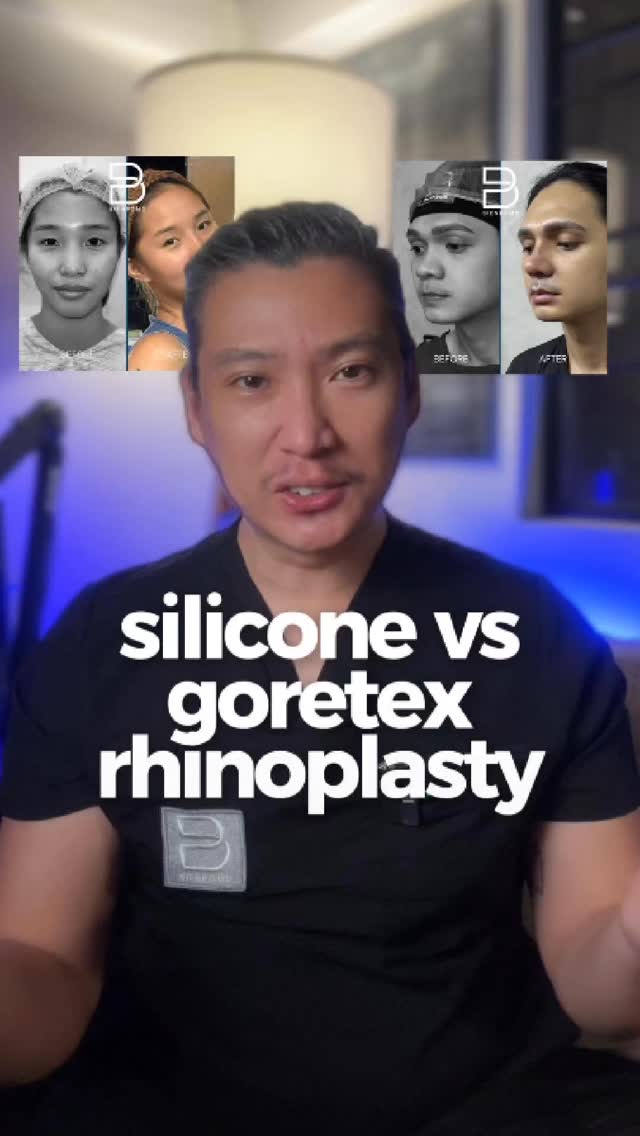
See Patient Cases →Watch Dr. Bien explain
Continue with a related video.
Common questions
Questions patients often ask
Can photographs confirm the cause?
Photographs can show proportions, but they cannot fully assess tissue quality, movement, support, health, or three-dimensional anatomy related to how does chin projection affect how the nose looks.
Does the same concern require the same treatment in everyone?
No. Similar appearances may come from different structures, and several contributors may exist together.
Can a natural-looking change be planned?
A conservative plan can aim for proportion and structural support, but no specific appearance or outcome can be guaranteed.
Is an in-person assessment necessary?
It is important when treatment is being considered because examination helps define anatomy, candidacy, limitations, risks, and alternatives.
Medical references
Further reading
These peer-reviewed sources provide broader clinical context. They do not replace an individual examination.
Related insights
Keep exploring the same topic.
Can Improving the Chin Make the Nose Look More Balanced?
Read a focused answer to another question patients commonly ask.
Explore →RhinoplastyOpen vs Closed Rhinoplasty: What's the Difference?
Read a focused answer to another question patients commonly ask.
Explore →RhinoplastySilicone vs Gore-Tex Nasal Implants
Read a focused answer to another question patients commonly ask.
Explore →RhinoplastyWhat Is ePTFE / Gore-Tex in Rhinoplasty?
Read a focused answer to another question patients commonly ask.
Explore →Educational information only. Individual recommendations require an appropriate medical history and in-person assessment.